LAUNCHING IN:
Benefit focused headline that hooks people in, gets them excited and makes them want to sign up.
Sub-headline telling people a bit more about your freebie and why they should download it.
• Result 1 that this freebie will help people to achieve
• Result 2 that this freebie will help people to achieve
• Result 3 that this freebie will help people to achieve

Beyond the Bee Hotel:
Tubes, Stacks and Microhabitats
A Masterclass with Dr Linda Birkin
Join entomologist Dr Linda Birkin for an engaging online masterclass where you’ll discover how to add habitat complexity to your garden to support invertebrates and boost biodiversity.
What you’ll learn
In this entertaining online talk, Dr Linda will guide you through practical ways to add habitat complexity to your garden. You’ll learn how to:
● Understand the ecological roles invertebrates play and why habitat complexity matters
● Add microhabitats and structural features that support a wide range of species
● How to create bee hotels, bug hotels, hoverfly lagoons and earwig shelters (and how to avoid common mistakes)
● Incorporate deadwood, litter and other natural materials to build mini-ecosystems
● Adapt ideas like dead hedges, twig obelisks and stumperies to suit your space
By the end of the session, you’ll be inspired and equipped to create a garden that supports invertebrates as well as all the other creatures that rely on them.
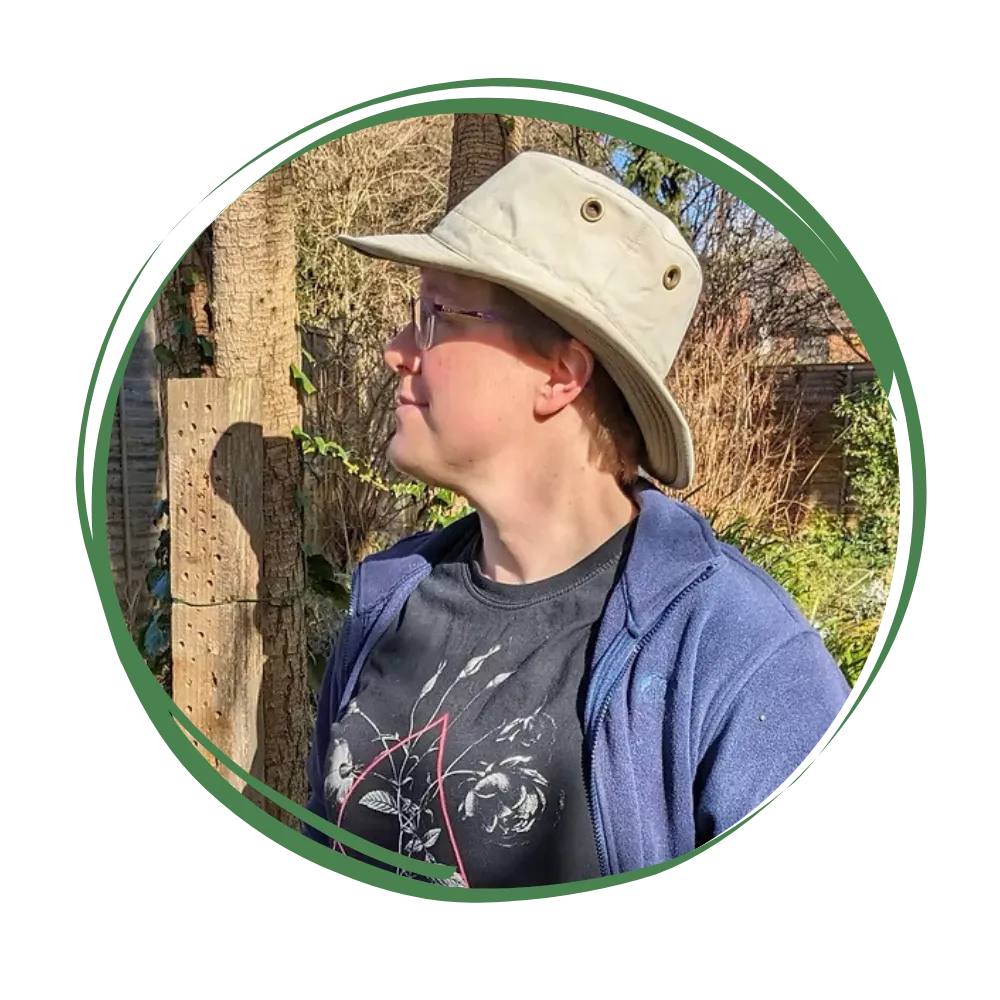
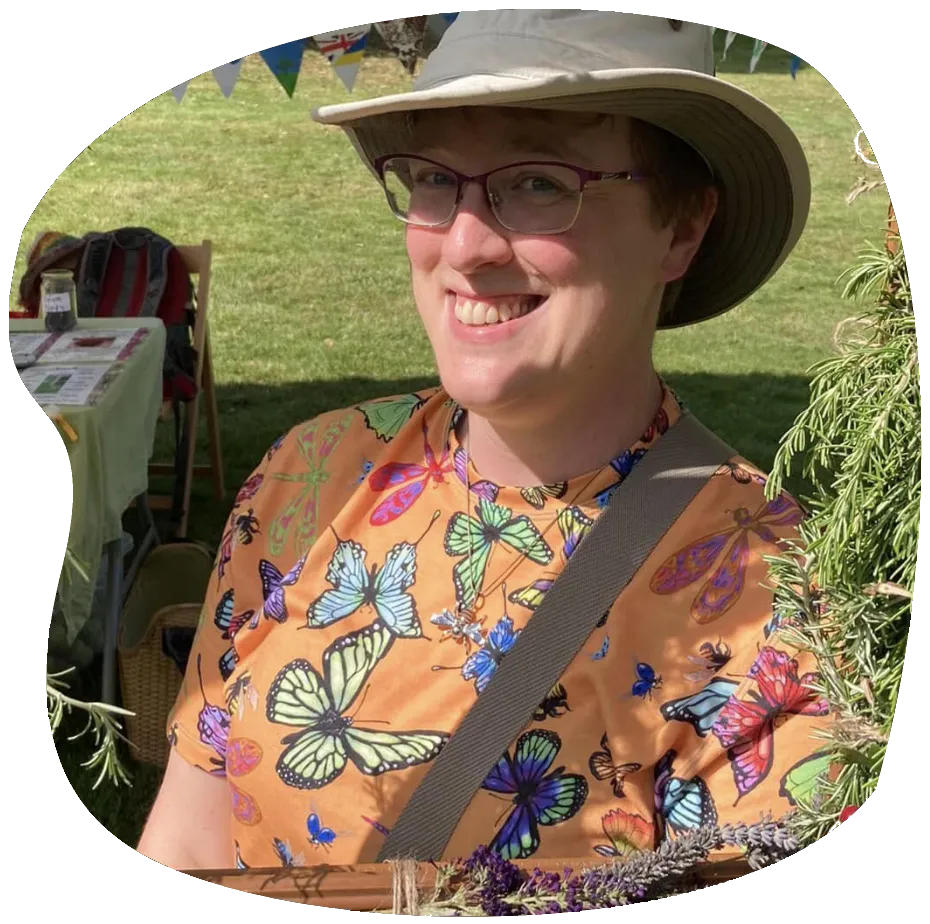
Meet your host, Dr Linda
A professional insect-enthusiast and science communicator, Linda is particularly interested in urban biodiversity and wildlife gardening – especially those parts of it all that creep, crawl, buzz and scuttle! She specializes in citizen / community science, both because of how important these projects are to ecology as a whole, and the empowering nature of on-the-ground investigation and curiosity. Her work aims to bring understanding and interest about invertebrates to the widest audience possible, through talks, workshops and outdoor entomological activities for all ages.
Basically, Linda wants to talk to you about bugs.
All of you. Anyone and everyone. About all the bugs.
What people have said about our masterclasses
Access anytime
This purchase is for the recording from the Beyond the Bee Hotel: Tubes, Stacks and Microhabitats Masterclass. This will be available to access instantly after purchase.
FAQs
How do I join the masterclass?
Once you’ve booked your place, you’ll be sent an email with a link to watch the masterclass instantly.
Do I need any gardening experience?
Nope! The session is perfect for beginners and experienced gardeners alike.
How long is the masterclass?
The masterclass is around 70 minutes.
Hosted by Wildlife Garden Project CIC, a community interest company
helping people transform their gardens into wildlife havens.